

Manhattan signed 38 new-development contracts with last asking prices of $10 million or more in Q2 2026. That was well above the 10-year quarterly average of 21, and those contracts represented half of the quarter’s new-development contract dollar volume.
The strength at the top did not mean every part of the market accelerated. Manhattan recorded 311 new-development contracts overall, down 14% from Q2 2025 and 17% below the 10-year average. Contract volume based on last asking price still reached approximately $1.5 billion because eight-figure deals carried so much weight.
For a buyer, the useful question is not simply whether the luxury market is active. It is which buildings are attracting demand, what makes one residence difficult to replace, and how much leverage remains before the buyer contacts the sales gallery.
Manhattan $10M+ new-development contracts in Q2 2026
Contracts signed with last asking prices of $10 million or more compared with the 10-year quarterly average.
Q2 2026 produced 38 Manhattan new-development contracts at $10 million or more, compared with a 10-year quarterly average of 21.
| Category | Contracts signed |
|---|---|
| 10-year quarterly average | 21 |
| Q2 2026Latest | 38 |
Why the top end can rise while total activity falls
A small number of very expensive contracts can lift dollar volume even when the total number of contracts is softer. That is what happened in Q2: the market was selective, but the strongest new developments continued to attract buyers willing to commit at eight-figure asking prices.
This is not evidence that every $10 million apartment is liquid or correctly priced. Quality, location, views, privacy, layout, service and the building’s remaining inventory still determine whether a residence performs. At this level, two homes with similar square footage can appeal to completely different buyers.
Where Manhattan’s $10M+ buyers were signing contracts in early 2026
This broader neighborhood snapshot includes condos, co-ops and townhouses, not only new development. It should not be compared directly with the Q2 new-development total above.
The broader $10M+ market was concentrated Downtown and on the East and West Sides, while Midtown activity was more building-specific.
Major area | Contracts above $10M(Highlighted column) | What buyers are choosing |
|---|---|---|
Downtown Manhattan | 60 | Design, neighborhood identity, loft scale and scarcity |
Upper East Side | 40 | Privacy, service, Central Park access and established prestige |
Upper West Side | 34 | Space, parks, culture and long-term residential use |
Midtown | 11 | Views, global recognition and highly serviced towers |
What buyers spending $10M–$40M usually care about
Most buyers at this level have the financing or liquidity organized before they begin. What people do not always expect is how emotional the decision can still become.
I can spend hours reviewing closing timelines, building financials, comparable sales and carrying costs with a buyer. Then the decision turns on the light in one room, a view that feels different in person, or the sense that the home simply fits. That emotional response is real, but it should come after the analytical work rather than replace it.
The strongest luxury purchases usually combine both sides: something genuinely difficult to reproduce and financial terms that remain defensible after the first impression fades.
New development is only a small share of this price range. For the resale side, see every Manhattan home currently listed between $10 million and $20 million.
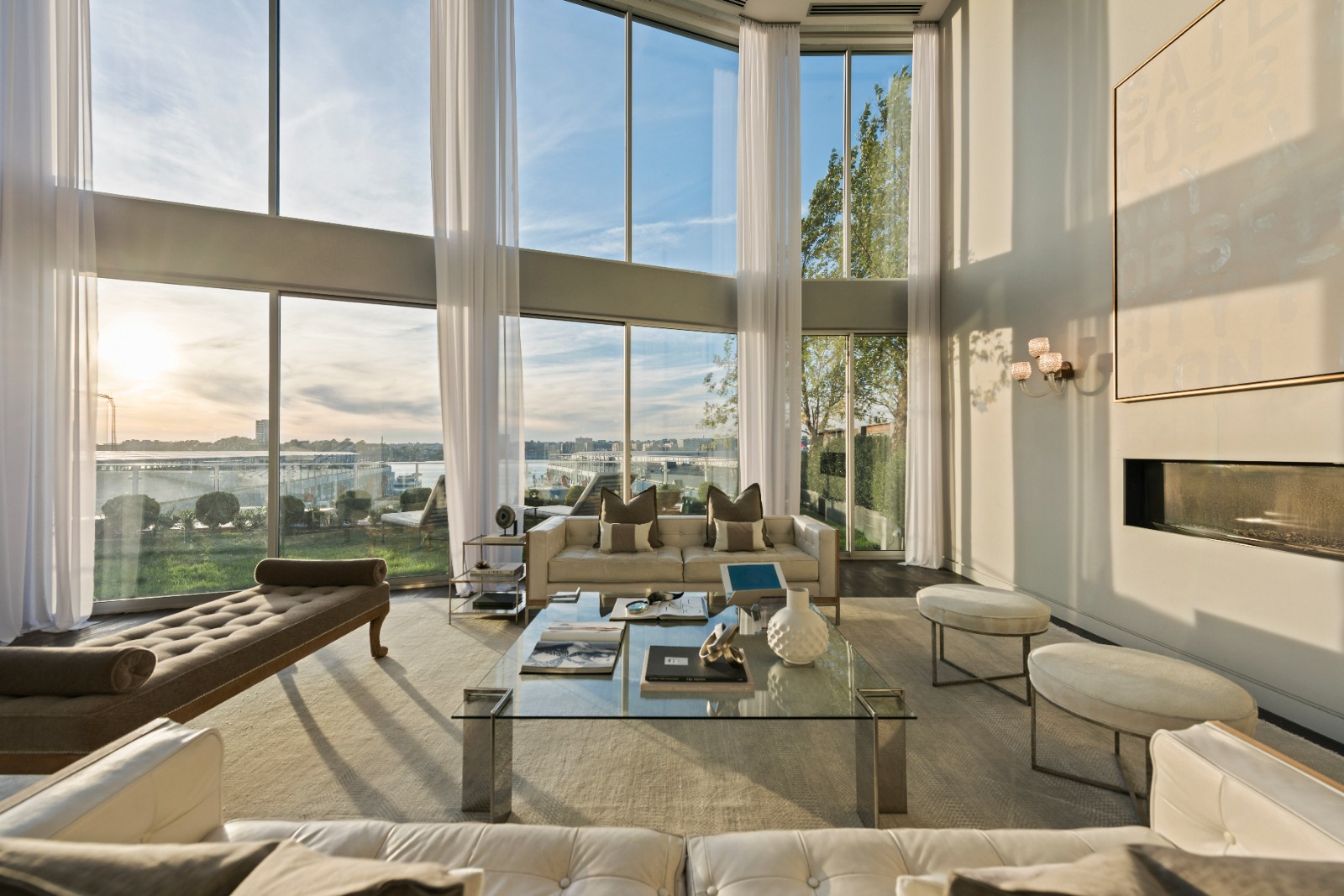
A current example: 200 Amsterdam Avenue PH2
200 AMSTERDAM Avenue #PH2, New York, NY 10024
RLS IDX Data display by Real Estate Rebate Team LLC. This information is not verified for authenticity or accuracy and is not guaranteed and may not reflect all real estate activity in the market. ©2026 The Real Estate Board of New York, Inc., All rights reserved.
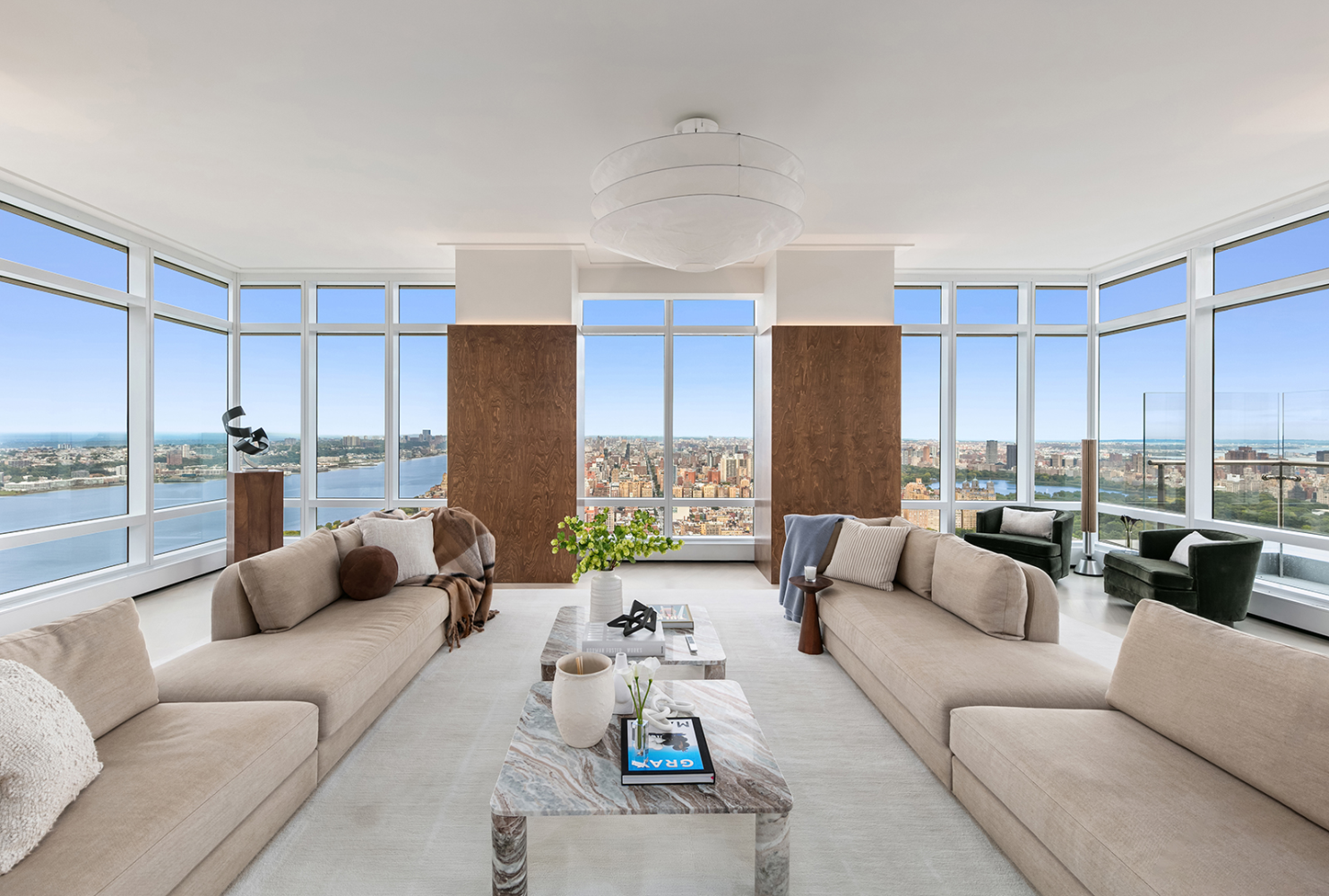
What $10M–$40M buys in Manhattan new development today
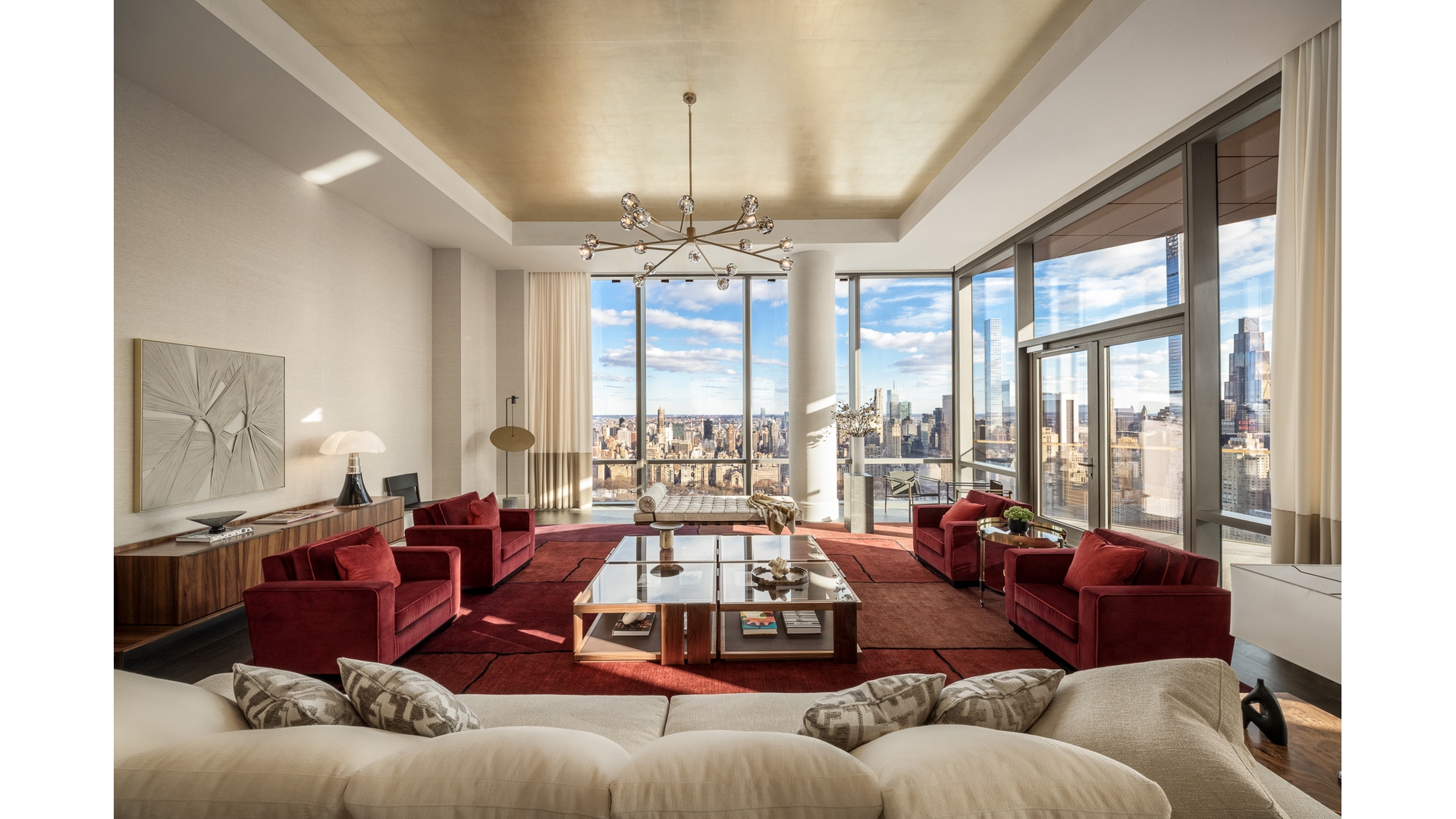
50 West 66TH Street #56S, New York, NY 10023
5 Beds · 6 Baths
$37,500,000

255 East 77th Street #PHDUPLEX, New York, NY 10075
7 Beds · 6 Baths
$37,500,000
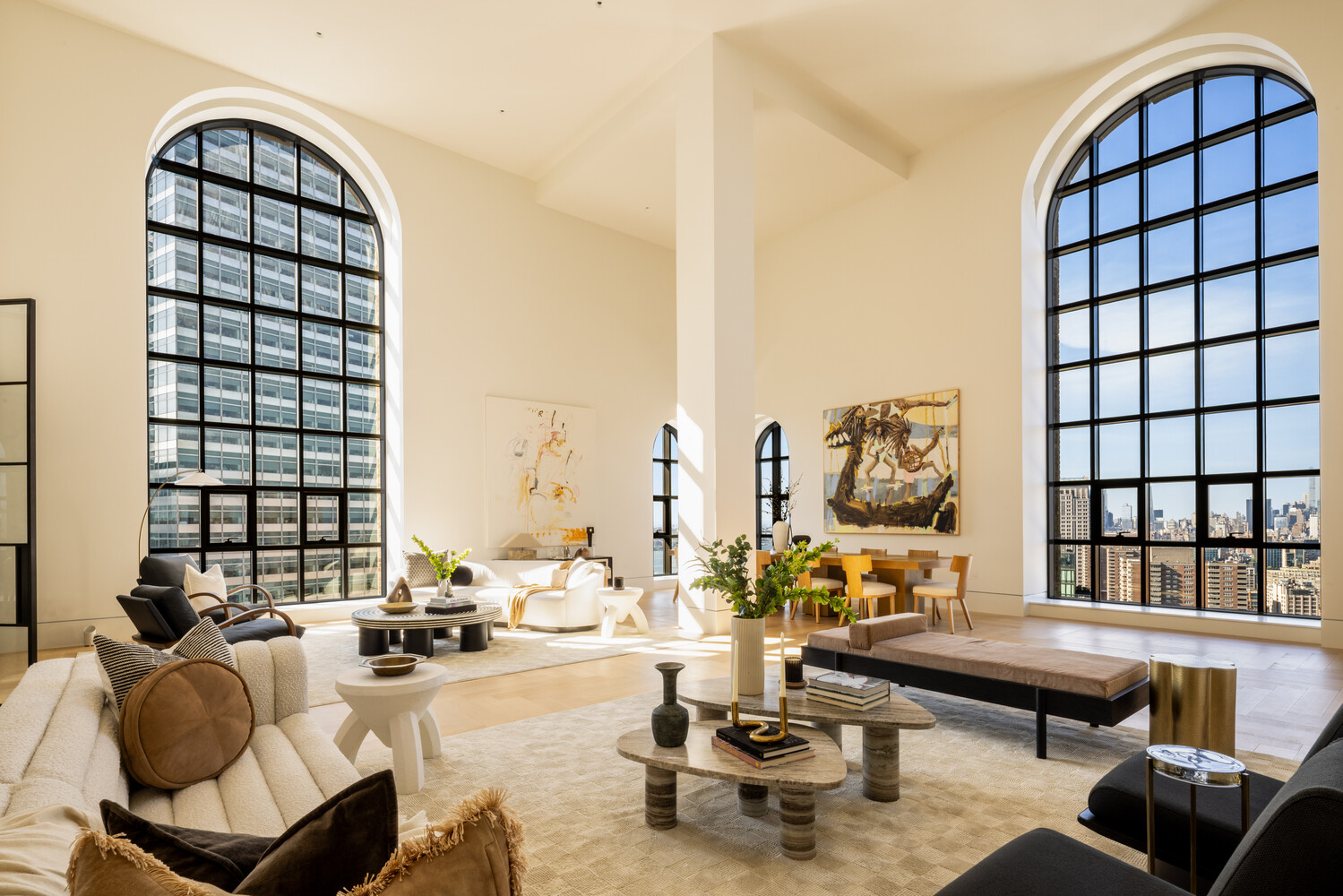
100 BARCLAY Street #PHNORTH, New York, NY 10007
6 Beds · 6 Baths
$28,950,000

100 East 53RD Street #PH, New York, NY 10022
4 Beds · 4 Baths
$29,000,000
RLS IDX Data display by Real Estate Rebate Team LLC. This information is not verified for authenticity or accuracy and is not guaranteed and may not reflect all real estate activity in the market. ©2026 The Real Estate Board of New York, Inc., All rights reserved.
The recorded price may not show the full negotiation
Sponsors have a strong reason to protect the recorded price. A visible reduction can affect the comparable sales used to market every remaining unit in the building.
In my experience, a sponsor may prefer to discuss the mansion tax, transfer taxes assigned to the buyer under the deal terms, 12 to 24 months of common charges, closing timing or another economic concession instead of reducing the stated sale price. That does not mean every concession is available in every building. The sponsor’s inventory, sales pace, lender requirements and confidence in the remaining units all matter.
Buyers should compare the effective economic cost, not only the number that will appear in the recorded sale.
Sponsor terms that may matter beyond the recorded price
A practical negotiation framework for evaluating economic value. These are possible discussion points, not promises that a sponsor will offer them.
The strongest offer is not always the one with the lowest recorded price; buyers should calculate the full package and document every agreed term.
Potential term | Possible value to buyer | Why a sponsor may prefer it |
|---|---|---|
Mansion tax contribution | Reduces cash due at closing | Can preserve the recorded unit price |
NYC or NYS transfer taxes shifted to the buyer in sponsor terms | Reduces a significant closing expense | Changes the net economics without lowering the headline price |
12–24 months of common charges | Lowers early ownership cost | Provides measurable value while protecting comparable sales |
Closing-date flexibility | Helps coordinate liquidity, financing or another sale | May solve timing without changing price |
Storage, upgrades or other property-specific items | Adds utility or avoids later expense | May be easier to offer than a direct price cut |
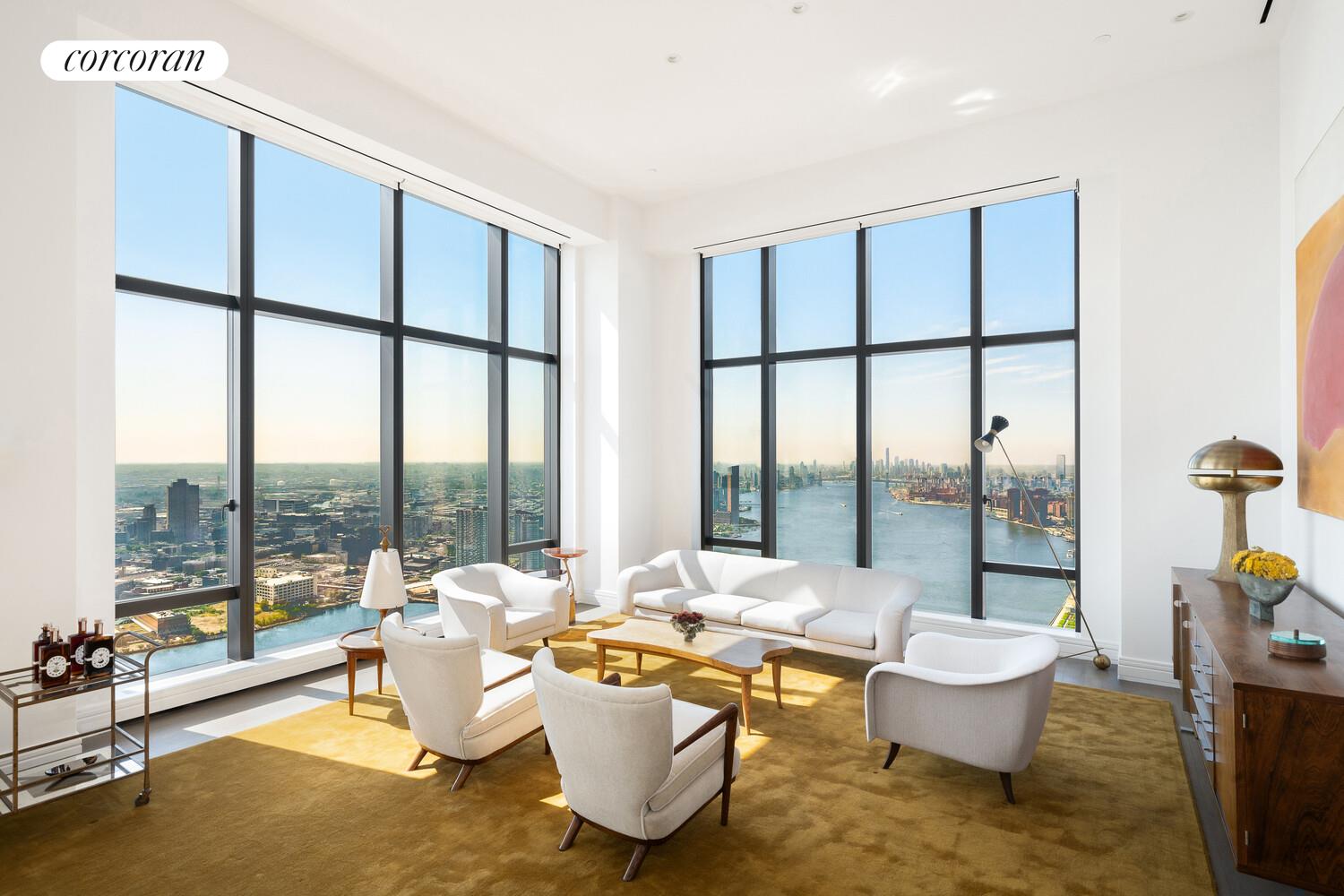
A current sponsor example: Sutton Tower PH77
430 East 58TH Street #PH77, New York, NY 10022
RLS IDX Data display by Real Estate Rebate Team LLC. This information is not verified for authenticity or accuracy and is not guaranteed and may not reflect all real estate activity in the market. ©2026 The Real Estate Board of New York, Inc., All rights reserved.
Sell-through changes the conversation
The biggest mistake I see is treating the sponsor’s first quoted price as fixed before understanding the building’s position.
In my experience, once a project is around 60% to 70% sold, the sponsor may have more reason to finish the remaining inventory, especially when a unit has lingered or the available line is competing with a stronger alternative. That is not a universal threshold, and a nearly sold-out building can also become firmer when only rare residences remain.
Before contacting the gallery, I want to know how many units exist, how many are sold or in contract, which lines remain, how long the unit has been available, whether asking prices have changed and what comparable contracts suggest. Walking in without that information can give away leverage before the negotiation begins.
A useful East Village example: product can create its own market
Realtor.com reported that the 18-unit development at 220 East 9th Street sold out in approximately 11 weeks, with the final penthouses asking just under $10 million. The story is useful because it was not simply about a traditional trophy location.
The project combined loft-like scale, terraces, design and a strong neighborhood identity. Most buyers reportedly came from within five blocks. That supports something I see repeatedly: at the top of the market, a home can perform because it feels specific and hard to reproduce, not only because it carries the best-known address.
This is a building case study, not part of the BHS Q2 contract dataset used above.
Before the first sales-gallery visit
Define the non-negotiables. Decide whether the priority is a protected view, downtown character, park access, privacy, outdoor space, services, entertaining scale or long-term family use.
Review the sell-through. Know the total unit count, reported sales, contracts and remaining competing lines.
Study recorded and contracted comparables. Separate asking prices from closed sales and identify differences in floor, exposure, terrace, condition and layout.
Calculate the complete cost. Include mansion tax, legal fees, sponsor costs, common charges, taxes, financing, working-capital contributions and upgrades.
Choose representation before registering. Contacting the gallery or listing agent first can affect representation and the buyer’s ability to have an adviser participate in the transaction.
Set the negotiation priorities. Decide whether price, taxes, common charges, timing, storage or another term matters most.
A buyer should be able to enjoy the tour without making the first visit the beginning of the research.
Explore current Manhattan luxury listings or schedule a private buyer consultation. Depending on the transaction and offered compensation, Buyer Savings may be available at closing. Commissions are negotiable.
About this report
Prepared by Régis Roumila, a licensed real estate broker in New York and New Jersey and founder of Real Estate Rebate Team, with more than 25 years of New York City real estate experience.
The Q2 2026 new-development figures are based on Brown Harris Stevens Development Marketing’s published analysis. The neighborhood figures come from the Steven Cohen Team’s review of Manhattan contracts above $10 million from January 1 through May 24, 2026. The 220 East 9th Street example comes from Realtor.com. Current listing examples are drawn from active IDX records and may change after publication.
- Brown Harris Stevens: In Manhattan, New Development Above $10M Surges
- Steven Cohen Team: Where $10M+ Buyers Are Buying in Manhattan in 2026
- Realtor.com: East Village Luxury Development at 220 East 9th Street
Contract figures based on last asking price do not reveal final negotiated terms. Listing availability, prices and property details may change. This article is general market commentary and should not be treated as an appraisal, legal advice, tax advice, financial advice or a representation that any particular concession is available.
Frequently Asked Questions
Brown Harris Stevens reported 38 Manhattan new-development contracts with last asking prices of $10 million or more in Q2 2026, compared with a 10-year quarterly average of 21.
No. The quarter’s dollar volume was helped by a relatively small group of expensive contracts, while total Manhattan new-development contract activity remained below both the prior year and the 10-year average. Building quality, pricing, views, layout and remaining inventory still matter.
Depending on the building and transaction, discussion points may include the mansion tax, transfer taxes assigned to the buyer in the sponsor terms, common charges, closing timing, storage or upgrades. Any concession must be negotiated and documented; none is guaranteed.
Sell-through helps show how much inventory remains, which units are competing and what incentive the sponsor may have to negotiate. Buyers should review it before registering so they enter the conversation with better context and preserve representation options.
No. The listings are current market examples only. Their presence in the article does not indicate that any price reduction, tax contribution, common-charge credit or other concession is available.
It is usually better to establish representation first. Registering directly with a sales gallery or listing agent can affect whether a buyer's representative is recognized in the transaction, so buyers should clarify representation before the first contact or visit.