New York City · $2 Million and Above
Multi-Million Dollar Homes for Sale in NYC
homes listed above $2 million across Manhattan, Brooklyn and Queens. Between $2 million and $20 million the typical residence roughly quadruples in size, and the square foot itself gets about two and a half times more expensive.
Showing 2,804 NYC homes for sale
What Changes as the Budget Rises
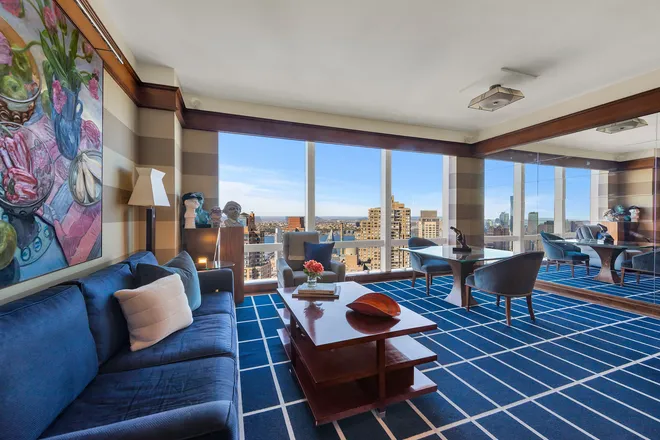
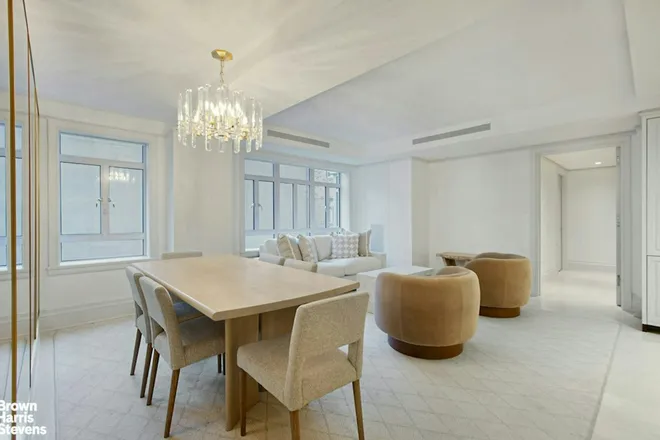
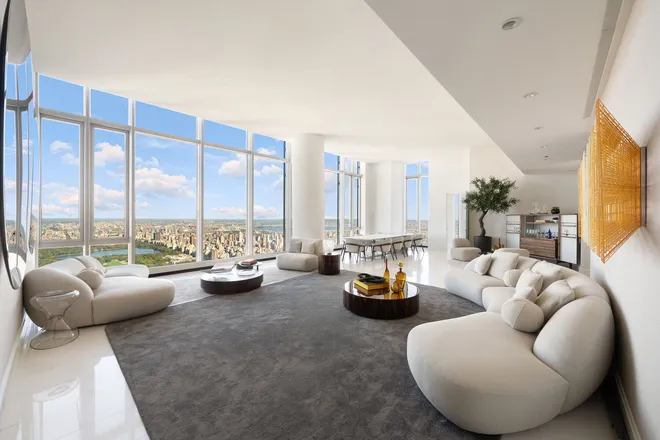
New York above $2 million is not one market. The typical home between $2 million and $5 million is about 1,700 square feet; above $20 million it is about 6,800. Over the same span the square foot itself gets roughly two and a half times more expensive, so the money buys more space and a more expensive kind of space: address, light, ceiling height, view, building services.
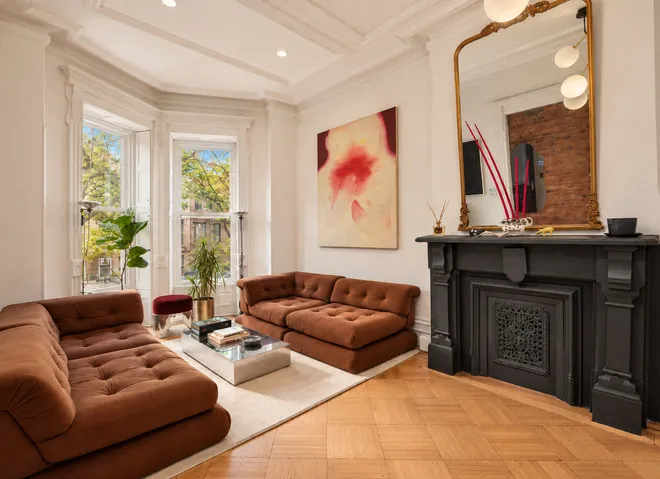
Houses and townhouses go from one home in seven at the bottom of this range to a quarter above $10 million while the co-operative share nearly halves, and Brooklyn is a genuine alternative to Manhattan at the lower end but effectively disappears at the top. Each range is also its own page: $2 million to $5 million, $5 million to $10 million, $10 million to $20 million, and $20 million and above.
What each budget buys in New York
Every figure comes from the homes above $2 million on the market today.
Size roughly doubles at each step and the foot itself gets more expensive the whole way up, so above $5 million you are buying a materially more expensive foot, not just more of them.
Price range | Homes | Median size (sq ft) | Median $/sq ft | Co-operative | Houses & townhouses |
|---|---|---|---|---|---|
$2M – $5M | 1,307 | 1,715 | $1,798 | 18% | 14% |
$5M – $10M | 490 | 2,927 | $2,366 | 15% | 20% |
$10M – $20M | 230 | 4,093 | $3,322 | 12% | 25% |
$20M and above | 127 | 6,760 | $4,620 | 10% | 24% |
What the mansion tax costs at each level
Price is not the only number to plan around. The combined New York State and New York City mansion tax steps up with price, and the steps land almost exactly on the ranges above. It is paid by the buyer at closing, on top of the purchase price, and is separate from the transfer taxes a resale seller normally pays.
The rate roughly triples between $2 million and $25 million, so the tax is a materially different line item at the top of this market than at the bottom.
Purchase price | Mansion tax | Tax due |
|---|---|---|
$2,000,000 | 1.25% | $25,000 |
$3,000,000 | 1.50% | $45,000 |
$5,000,000 | 2.25% | $112,500 |
$10,000,000 | 3.25% | $325,000 |
$20,000,000 | 3.75% | $750,000 |
$25,000,000 | 3.90% | $975,000 |
The Buyer Commission Share
The Buyer Commission Share is up to 50% of the buyer-side commission actually paid on your purchase. It is not a fixed percentage of the price. Whatever the seller or sponsor pays the buyer’s broker, up to half of it is credited to you as savings at closing.
- 3% paid to the buyer’s broker returns up to 1.5% of the price to you. On a $6 million purchase, up to $90,000.
- 4% returns up to 2%. On the same purchase, up to $120,000.
- 5% returns up to 2.5%. On the same purchase, up to $150,000.
Which of those applies is the seller’s decision rather than ours or yours, and it is negotiated deal by deal. Resales usually sit at the lower end. The higher figures turn up most often on sponsor sales, and sponsor inventory is not a niche here: around one in five homes listed above $2 million in New York is a sponsor unit. A developer carrying finished apartments will sometimes raise the buyer-side commission to move the remaining ones, and that offer can change from one building to the next and from one month to the next. Worth checking before you commit to a building. Not worth counting on.
New development brings costs as well as commission. Sponsors commonly ask the buyer to pay the New York State and New York City transfer taxes a resale seller would normally cover, along with sponsor legal fees and a working capital contribution. Those are negotiable too, and they belong in the same conversation as the commission rather than a later one.
None of this changes the representation: full buy-side advice, negotiation, and diligence on the building as well as the residence. Eligibility applies. See how the Buyer Commission Share is calculated.
Frequently asked questions
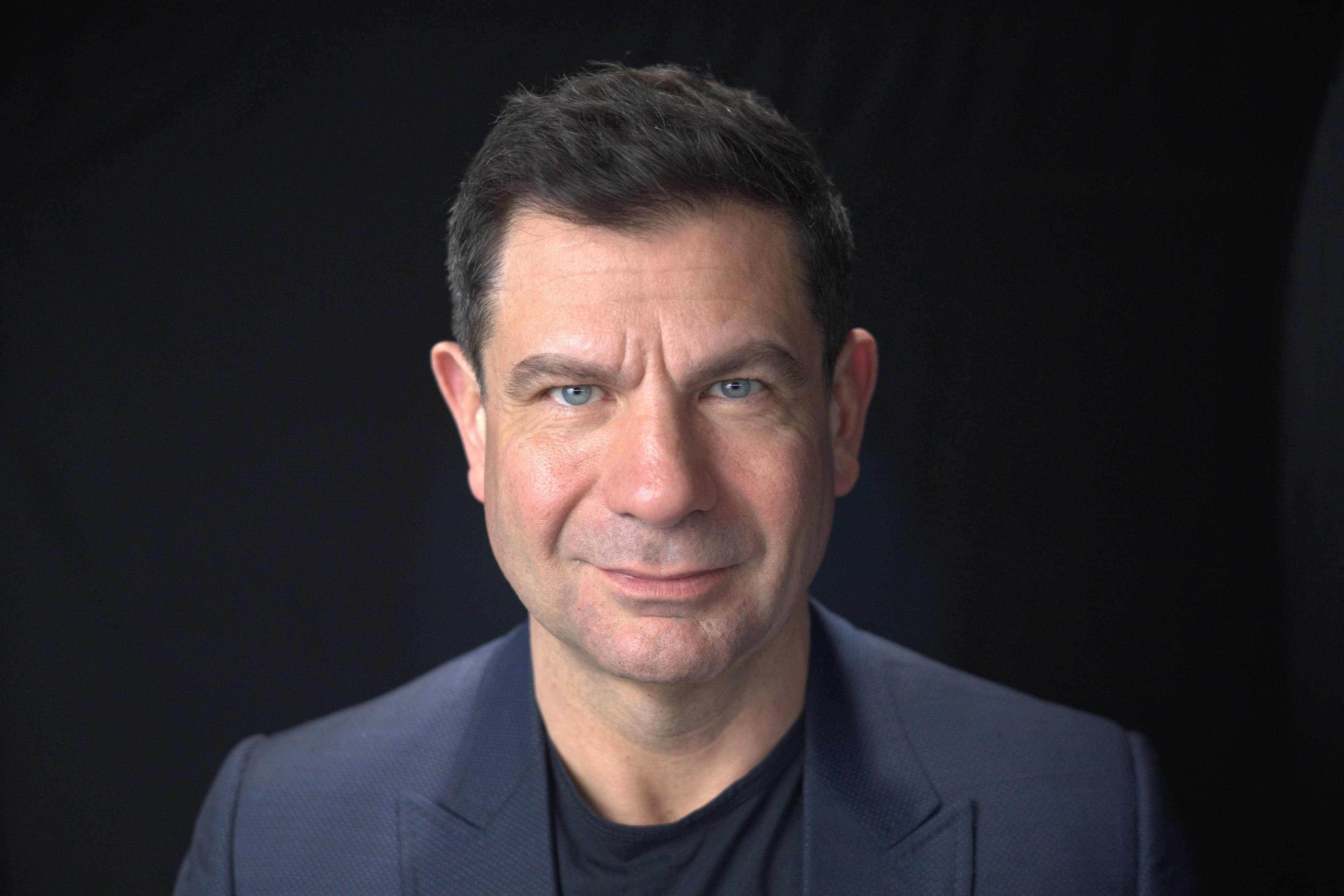
Regis Roumila
Licensed Real Estate Broker · NY & NJ
- NY DOS Licence
- 10491211335
- Memberships
- REBNY & NAR Member
- Experience
- Over 25 Years of Local Expertise
Work with a licensed New York broker
Around homes above $2 million are on the market today. Tell me the budget, the borough and how you plan to use the home, and I will narrow that to the ones whose building rules and financials actually fit.