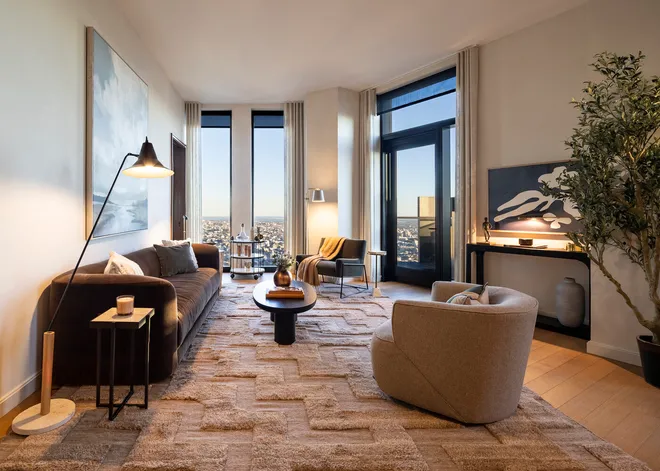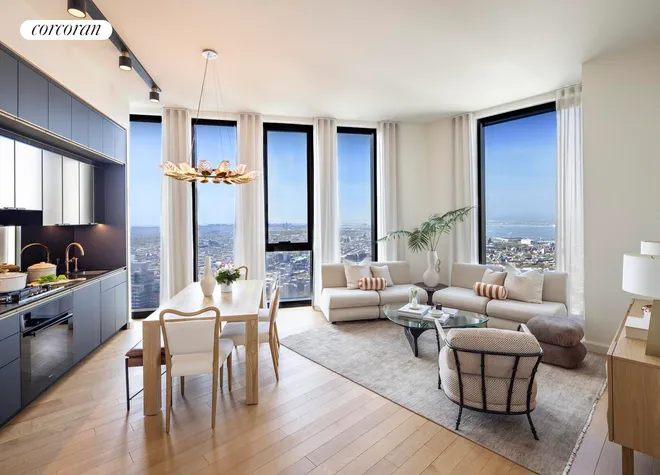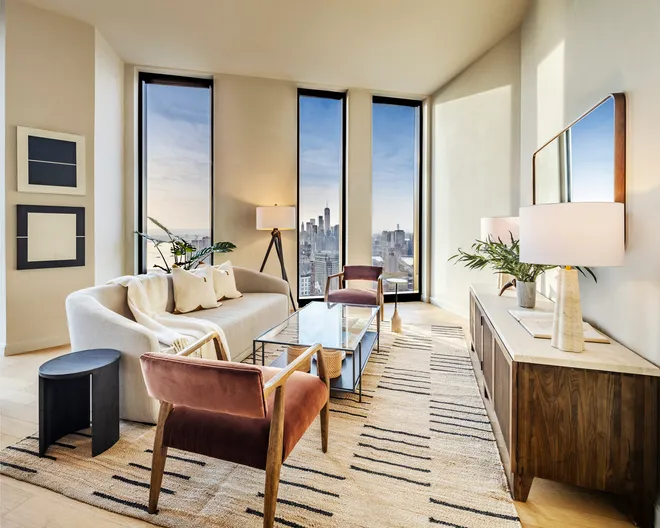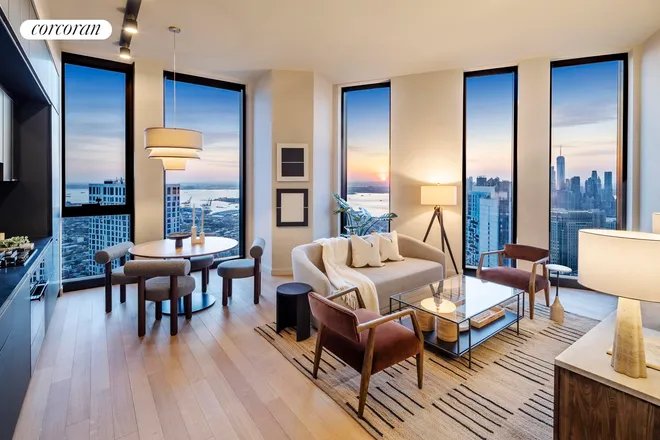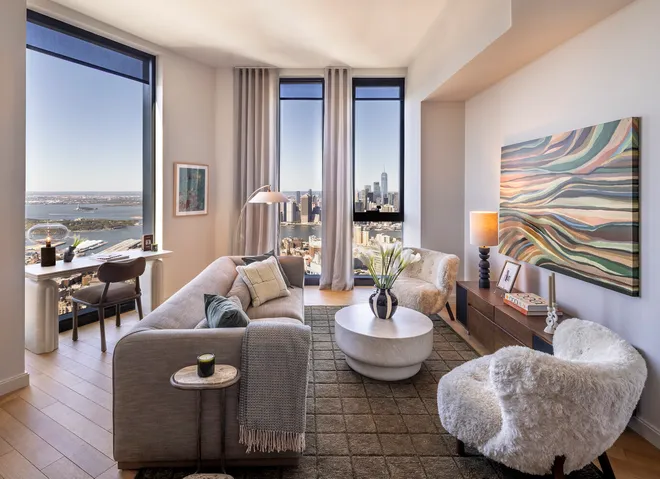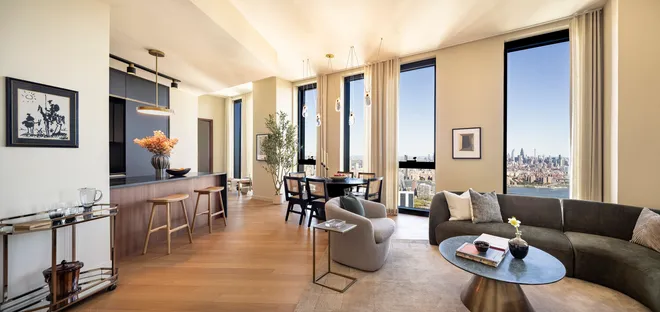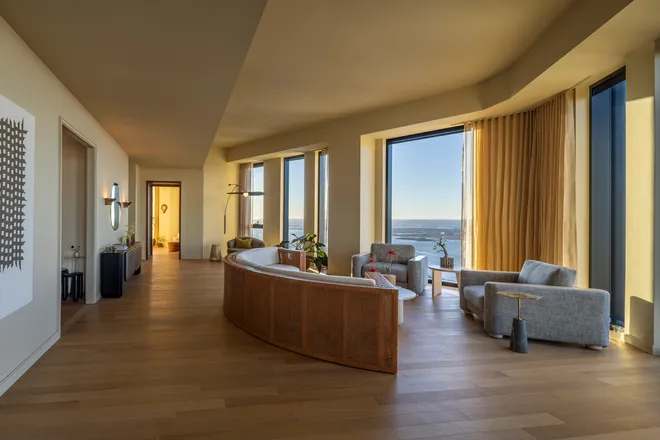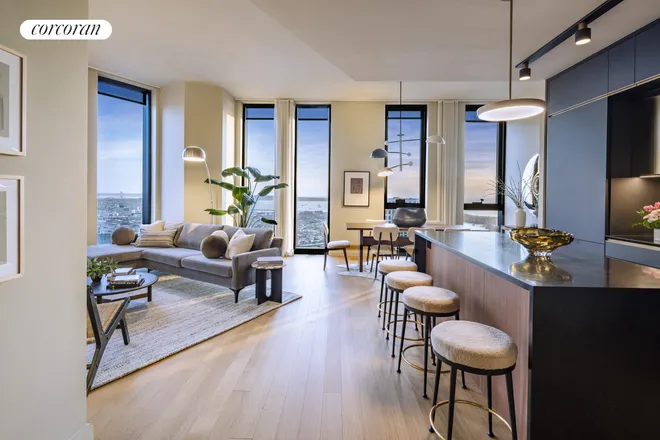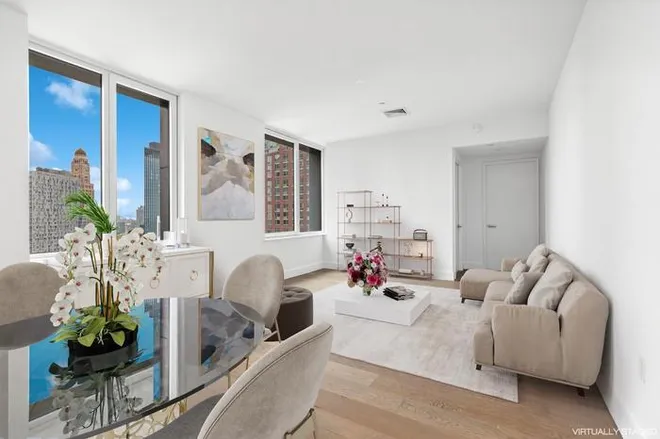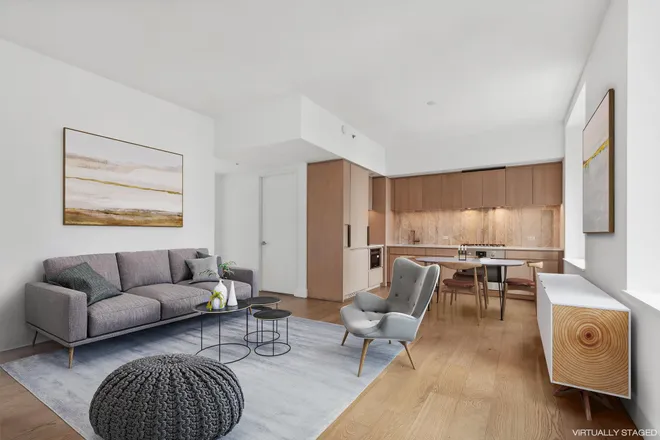
Downtown Brooklyn, Brooklyn · NEW DEVELOPMENT ADVISORY
New Homes for Sale in Downtown Brooklyn, New York, NY
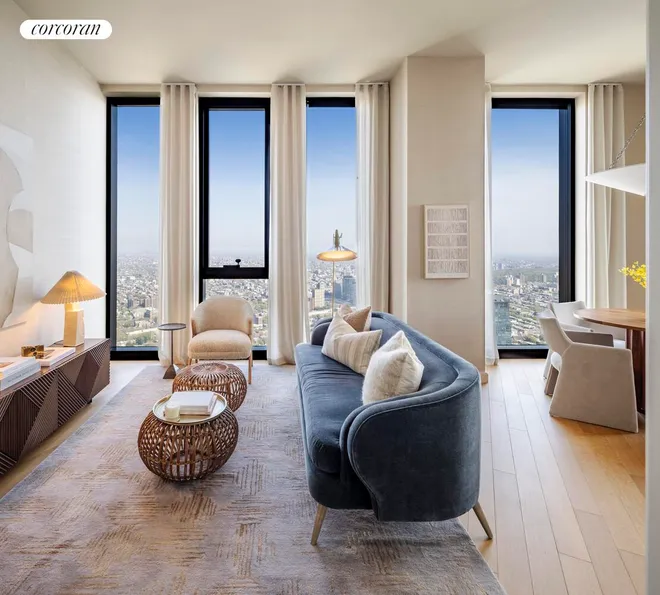
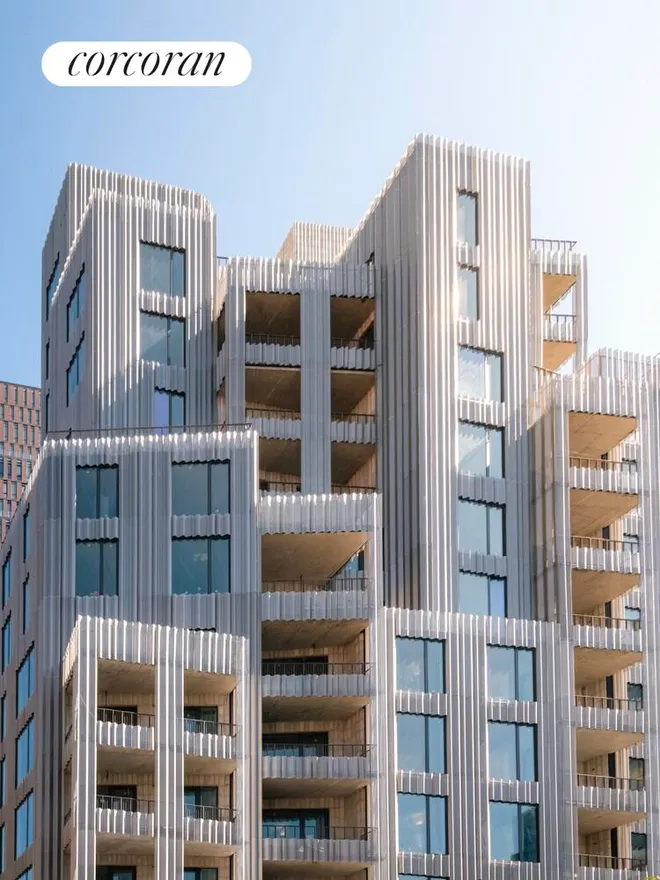
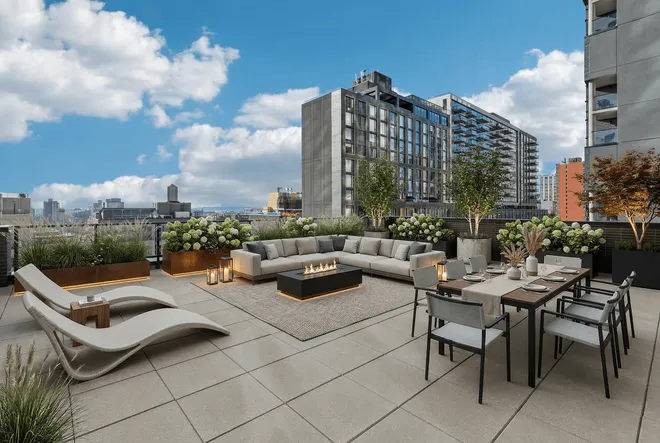
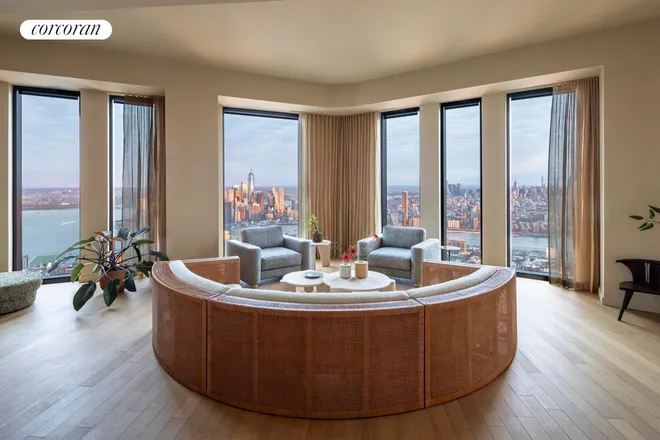
42 new homes are currently for sale in Downtown Brooklyn, Brooklyn, with a median asking price of $1.95M and an average asking price of $1,651 per square foot. 2 new sponsor listings have come to market in the past 7 days. Current inventory spans 9 new developments.
Showing 42 new homes in Downtown Brooklyn · Inventory updated 23 November 2026
Downtown Brooklyn NY Real Estate market snapshot
- Active listings
- 42
- Median asking price
- $1,960,000
- Median price per sq ft
- $1,627
- Median size
- 1,175 sq ft
- Median condo asking
- $1,960,000 (40)
By bedrooms: Studio 2 · 1 bed 12 · 2 bed 16 · 3 bed 10 · 4+ bed 2
Figures reflect active RLS listings at the time this page was built, after removing duplicate feed records. · Updated 23 November 2026
Downtown Brooklyn home prices by size
| Home size | Median asking price |
|---|---|
| 1 bedroom (See homes) | $1,252,500 |
| 2 bedrooms (See homes) | $1,960,000 |
| 3 bedrooms (See homes) | $2,937,500 |
Median asking price of current active listings, by bedroom count.
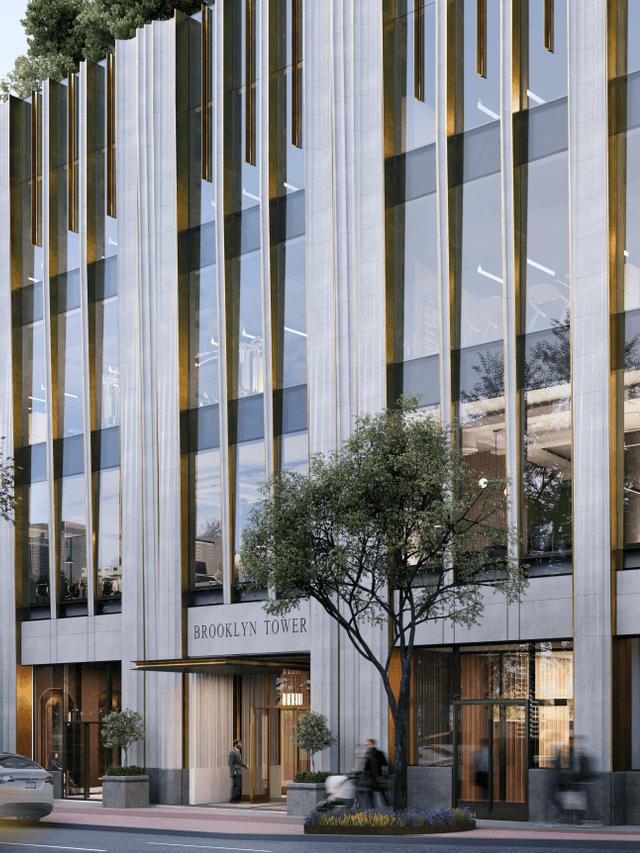


What a sponsor sale adds in Downtown Brooklyn
On a resale you pay your own closing costs. On a sponsor sale the offering plan customarily moves the seller’s transfer taxes and the sponsor’s attorney fee onto you as well. Those terms are negotiable, and on a unit that has been sitting they are often the part of the deal a sponsor will move on before the asking price.
- Median asking price here
- $1,960,000
- Sponsor's New York State transfer tax
- $7,840
- Sponsor's New York City transfer tax
- $27,930
- Added at closing, before the attorney fee
- $35,770
- Buyer Commission Share, illustrative
- $29,400
On the median asking price here, the Buyer Commission Share of $29,400 offsets most of the $35,770 of sponsor-side transfer taxes. The attorney fee sits on top of both.
Transfer taxes at the published rates: 0.4% New York State, 0.65% at $3M and above, plus 1.425% New York City above $500,000. The sponsor’s attorney fee varies by deal and is not included. The Buyer Commission Share is illustrative, on a 3% buyer-broker commission; the commission on any given purchase is whatever the sponsor offers. How new development closing costs work · Price a specific purchase
Which buildings are selling in Downtown Brooklyn
Which new developments are selling in Downtown Brooklyn?
The buildings panel above ranks them by how many units each still has on the market, and links each one to its own page. That ranking is the useful list. A building with a dozen units left is a different negotiation from one with two, and neither fact appears on an individual listing. It moves week to week as units go into contract, so treat it as today's answer rather than a fixed one.
Why does the building matter more than the unit here?
Because on a sponsor sale you are buying from one seller who owns the rest of the line. Brooklyn new development is mostly mid-rise rather than tower, which cuts both ways: a building of thirty units sells through faster than a tower of three hundred, but it also means a sponsor with six left is close enough to the end to hold firm. Ask how many units are unsold, how many share your line, and when the last three closed and at what. A resale seller cannot answer any of that. A sponsor's sales office can.
How many new construction homes are for sale in Downtown Brooklyn?
There are 42 new construction and sponsor homes for sale in Downtown Brooklyn right now, across 9 developments. Asking prices start at $785,000 and run to $16.8M. Brooklyn carries roughly half Manhattan's new-development inventory and more than twice what Queens holds, concentrated in Williamsburg, Bushwick and Downtown Brooklyn, then Stuyvesant Heights, Crown Heights, Greenpoint and DUMBO.
What is the difference between a new development and a sponsor unit?
The grid above labels some listings New Development and others Sponsor Residence, and they are not the same thing. A new development is a building being sold for the first time under an offering plan, usually just before or just after completion. A sponsor unit is an apartment in an existing building still held by the original converter or developer and never previously sold. Both are bought from a sponsor rather than from an individual owner, which is why they share a page. In Brooklyn the great majority of what you see here is genuinely new rather than sponsor stock, because the borough's condo supply was largely built in the last two decades rather than converted out of older buildings.
The abatement, and where the room to negotiate is
What is a tax abatement, and when does it phase out?
This is the Brooklyn question, and it is the one most likely to change what the apartment costs you every month. A large share of the borough's newer condo stock was built with a 421-a or similar abatement, which holds the property tax down for a fixed term and then steps it back up over the closing years. The monthly figure quoted on a listing today is the abated one. Ask for the year the phase-out begins, the schedule it follows, and what the unabated tax would be, and get it in writing. A building four years into a twenty-year abatement and one four years from the end of it can show the same monthly cost and be very different purchases.
Is there room to negotiate on a Brooklyn new development?
More than on a resale, and the reason is in the numbers. Brooklyn's new-development pricing has been roughly flat over the past year at around $1,370 per square foot while resale pricing rose, and the borough carries well over a thousand new-development units in inventory. A resale seller has one apartment; a sponsor has a floor of them and a lender to answer to. The concession usually arrives as closing costs rather than a cut to the headline price, which suits a sponsor because it keeps the recorded price up for the units still to sell. On a sponsor sale those closing costs are unusually large, so that is a real saving rather than a token one.
Do I pay the sponsor's closing costs in Downtown Brooklyn?
Usually yes. On a sponsor sale the buyer customarily pays the sponsor's New York State and New York City transfer taxes and the sponsor's attorney fee, which together add roughly 2% of the price on top of the closing costs a resale buyer would pay. Those terms sit in the offering plan and they are negotiable, and on a unit that has been sitting they are the part of the deal a sponsor will most readily move on. The strip above prices it against the median here, and the calculator linked below prices a specific purchase.
Before you sign
Does the new pied-à-terre surcharge apply in Downtown Brooklyn?
Yes, where the apartment will not be somebody's primary residence. Since 1 July 2026 the city charges an annual surcharge on non-primary homes, starting at a Department of Finance value of $1M for an apartment in a larger building and running from 4% to 6.5% of that value. Brooklyn sits on both sides of that line: the waterfront and Downtown towers clear it comfortably, while a good deal of the borough's mid-rise new construction does not. The value is public, so look it up rather than guessing from the asking price. It does not apply where the unit is the primary residence of the owner, an immediate family member, a majority owner of the entity that holds it, the sole beneficiary of a trust, or a tenant on an arm's-length lease of at least a year. This is general information rather than tax advice; take your accountant's view on a specific purchase.
What are the red flags when buying new construction?
Four, in the order they cost you money. The offering plan is the contract, not the brochure, so read the amendments alongside the plan itself and check what the sponsor has reserved the right to change. The projected budget inside that plan is the sponsor's own estimate of common charges and taxes, and first-year budgets are routinely optimistic, particularly where an abatement is holding the tax line down. The completion date in a plan under construction is an estimate with permitted extensions, so ask what happens to your deposit if it slips. And ask how many units in the building are still unsold, because a sponsor carrying inventory on your line is both your leverage today and your competition when you sell.
Explore more new developments in Brooklyn
More new developments in Brooklyn
New construction in nearby Brooklyn ZIP codes
- 11201 new construction homes
- 11211 new construction homes
- 11221 new construction homes
- 11217 new construction homes
- 11218 new construction homes
- 11216 new construction homes
Show moreShow less
All homes for sale in Downtown Brooklyn
New developments across New York City
New development buyer guides & tools
Need Help Evaluating a Property?
Get private guidance before you search, tour, negotiate, or sign.