10022 · NEW DEVELOPMENT ADVISORY
New Construction Homes for Sale in 10022
77 new homes for sale in 10022, NY · Inventory updated 23 October 2026
10022 home prices by size
| Home size | Median asking price |
|---|---|
| Studio (See homes) | $1,685,000 |
| 1 bedroom (See homes) | $2,475,000 |
| 2 bedrooms (See homes) | $3,922,500 |
| 3 bedrooms (See homes) | $8,000,000 |
| 4 bedrooms (See homes) | $15,000,000 |
Median asking price of current active listings, by bedroom count.
What a sponsor sale adds in 10022
On a resale you pay your own closing costs. On a sponsor sale the offering plan customarily moves the seller’s transfer taxes and the sponsor’s attorney fee onto you as well. Those terms are negotiable, and on a unit that has been sitting they are often the part of the deal a sponsor will move on before the asking price.
- Median asking price here
- $3,850,000
- Sponsor's New York State transfer tax
- $25,025
- Sponsor's New York City transfer tax
- $54,863
- Added at closing, before the attorney fee
- $79,888
- Buyer Commission Share, illustrative
- $57,750
On the median asking price here, the Buyer Commission Share of $57,750 offsets most of the $79,888 of sponsor-side transfer taxes. The attorney fee sits on top of both.
Transfer taxes at the published rates: 0.4% New York State, 0.65% at $3M and above, plus 1.425% New York City above $500,000. The sponsor’s attorney fee varies by deal and is not included. The Buyer Commission Share is illustrative, on a 3% buyer-broker commission; the commission on any given purchase is whatever the sponsor offers. How new development closing costs work · Price a specific purchase
New construction and sponsor units in 10022
How many new construction homes are for sale in 10022?
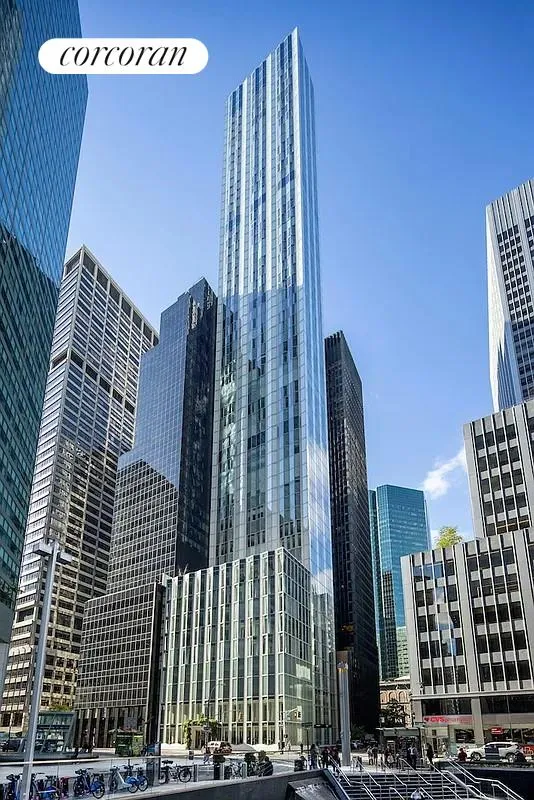
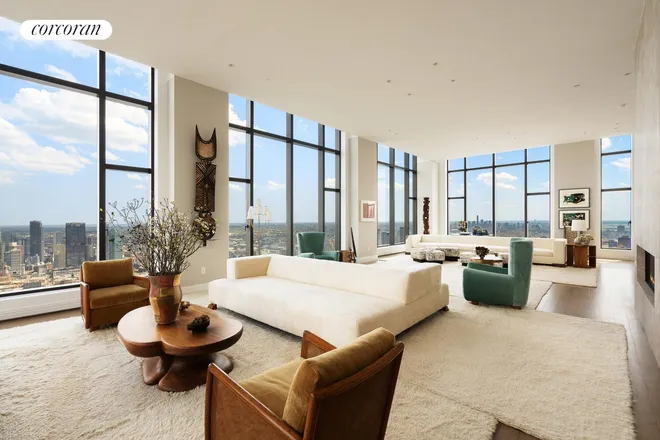
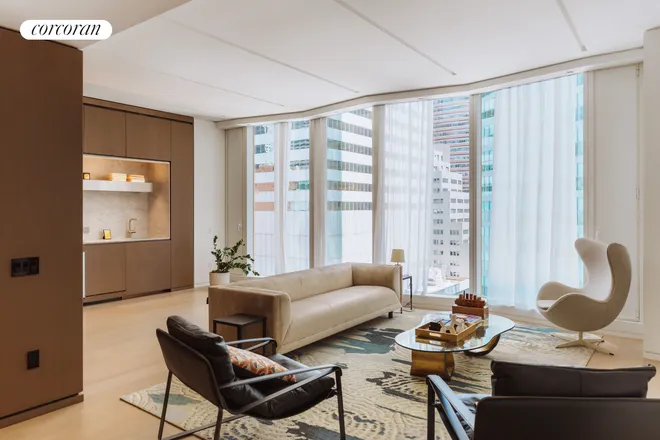
There are 77 new construction and sponsor homes for sale in 10022, Manhattan right now, spread across 13 developments. Asking prices start at $420,000 and run to $65M. The grid above is the live list, so the figure moves as units sell and new ones release.
Where is Manhattan's new-development inventory concentrated?
In a narrow band, and not where most people start looking. Midtown East around 10022 and the 57th Street corridor in 10019 carry the deepest supply between them, followed by the Upper West Side in 10025 and 10023, Murray Hill and Kips Bay in 10016, Chelsea in 10011 and the Hudson Yards edge in 10018. Manhattan holds roughly twice Brooklyn's new-development inventory and four times what Queens carries, so a borough-wide search returns a lot; a ZIP search returns what you can actually go and see this week.
What is the difference between a new development and a sponsor unit?
The grid above labels some listings New Development and others Sponsor Residence, and they are not the same thing. A new development is a building being sold for the first time under an offering plan, usually just before or just after completion. A sponsor unit is an apartment in an existing building still held by the original converter or developer and never previously sold. Both are bought from a sponsor rather than from an individual owner, which is why they share a page: an offering plan instead of a seller's disclosure, no board approval in a condo, and closing costs that work differently from a resale. In Manhattan the sponsor-unit category matters more than elsewhere, because so much of the borough's pre-war stock was converted decades ago and a handful of unsold shares still sit with the original sponsor. A sponsor unit in a co-op usually escapes the board approval and the financing minimum that would otherwise apply, which is the single most useful thing to know about them.
What a sponsor sale costs in Manhattan
Do I pay the sponsor's closing costs on a new development in 10022?
Usually yes, and in Manhattan it is the largest single surprise in the purchase. On a sponsor sale the buyer customarily pays the sponsor's New York State and New York City transfer taxes and the sponsor's attorney fee, which together add roughly 2% of the price on top of the closing costs a resale buyer would pay. At Manhattan prices that 2% is a six-figure line on a good many of the apartments on this page, which is why it is worth raising before the offer rather than at contract. Those terms sit in the offering plan and they are negotiable, and on a unit that has been sitting they are often the part of the deal a sponsor will move on before the asking price. The strip above prices it against the median here, and the calculator linked below prices a specific purchase.
Does the new pied-à-terre surcharge apply to a new development in 10022?
Yes, where the apartment will not be somebody's primary residence, and Manhattan is where it bites hardest. Since 1 July 2026 the city charges an annual surcharge on non-primary homes. For an apartment in a larger building it starts at a Department of Finance value of $1M and runs from 4% to 6.5% of that value, with the top rate from $5M. New construction carries higher Department of Finance valuations than the older stock around it, and Manhattan valuations are the highest in the city, so most new apartments here clear the $1M line comfortably and a fair number reach the top band. The charge does not apply where the unit is the primary residence of the owner, an immediate family member, a majority owner of the entity that holds it, the sole beneficiary of a trust, or a tenant on an arm's-length lease of at least a year. This is general information rather than tax advice; take your accountant's view on a specific purchase.
Before you sign
Is a conversion different from ground-up construction?
Yes, and Manhattan has more conversions than anywhere else, so it is worth knowing which one you are buying. A ground-up building is new from the foundation and its systems come with a warranty period and a sponsor still on the hook for defects. A conversion is an older building, often an office or a hotel, rebuilt behind a retained facade or structure. Conversions can offer proportions and locations no new tower can, and they also inherit whatever the original structure imposes: floor plates that produce odd layouts, window lines fixed by the existing openings, and mechanical systems threaded through a frame not designed for them. Ask what was retained and what was replaced, and read the offering plan's description of the building's condition rather than the brochure's.
What are the red flags when buying new construction?
Four, in the order they cost you money. The offering plan is the contract, not the brochure, so read the amendments alongside the plan itself and check what the sponsor has reserved the right to change. The projected budget inside that plan is the sponsor's own estimate of common charges and taxes, and first-year budgets are routinely optimistic. The completion date in a plan under construction is an estimate with permitted extensions, so ask what happens to your deposit if it slips. And ask how many units in the building are still unsold, because a sponsor carrying inventory on your line is both your leverage today and your competition when you sell.
Explore More in Manhattan
New construction in nearby Manhattan ZIP codes
New developments by Manhattan neighbourhood
All homes for sale in 10022
New developments across New York City
New development buyer guides & tools
Considering a new development in 10022?
Get private buyer guidance before you visit a sales office, negotiate, or sign.