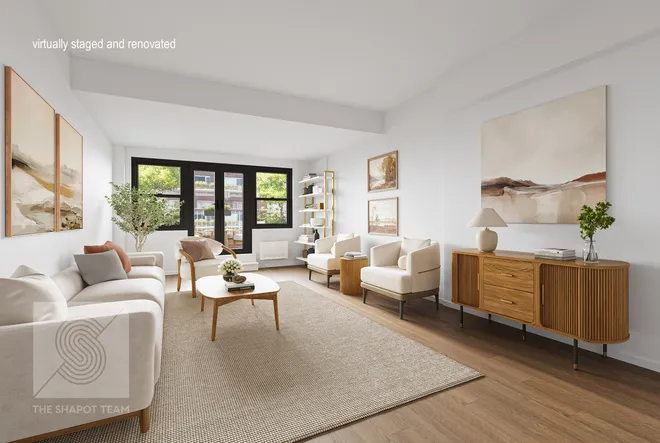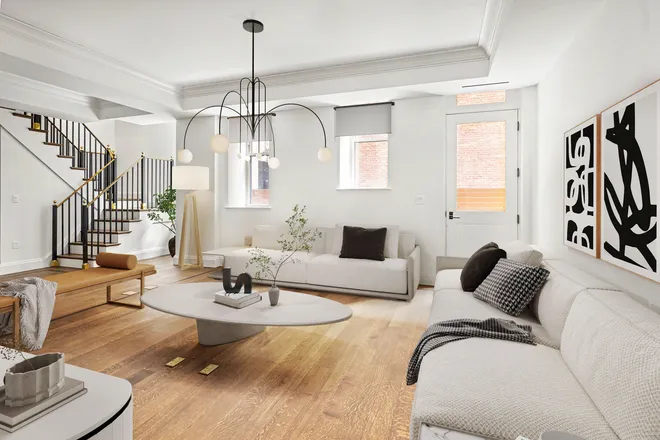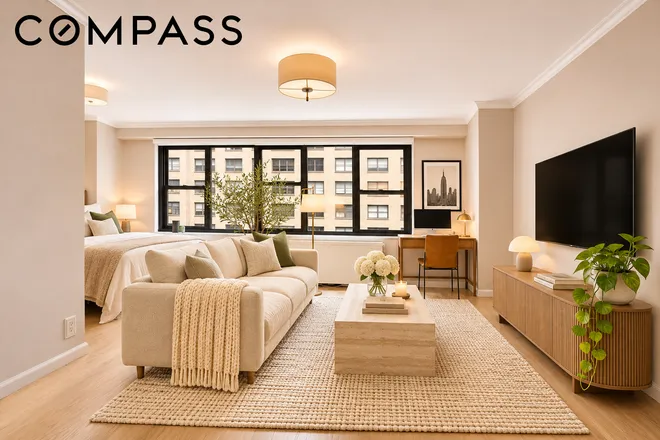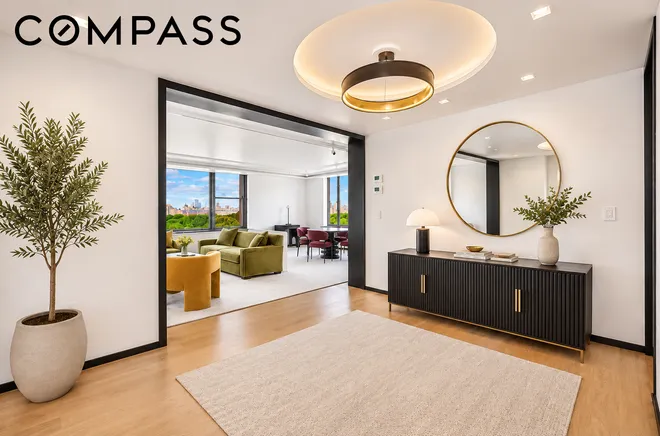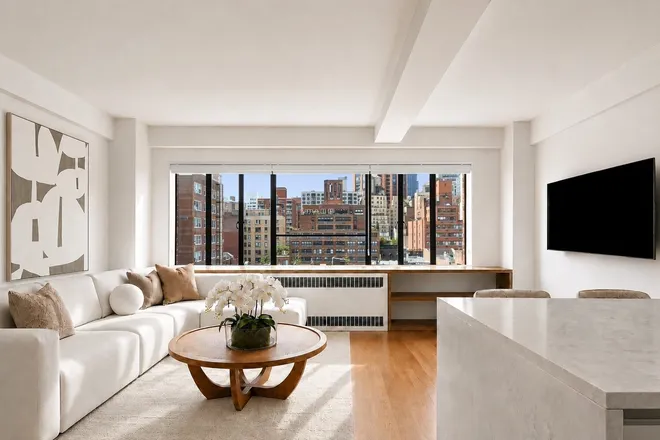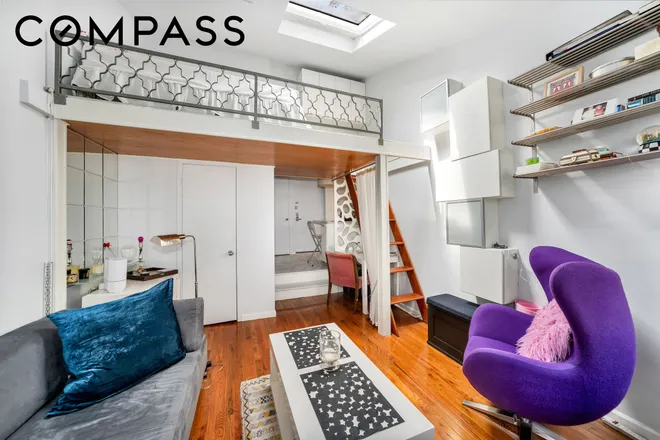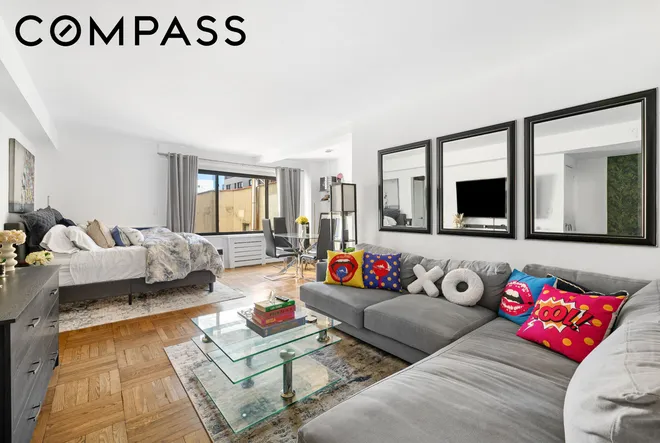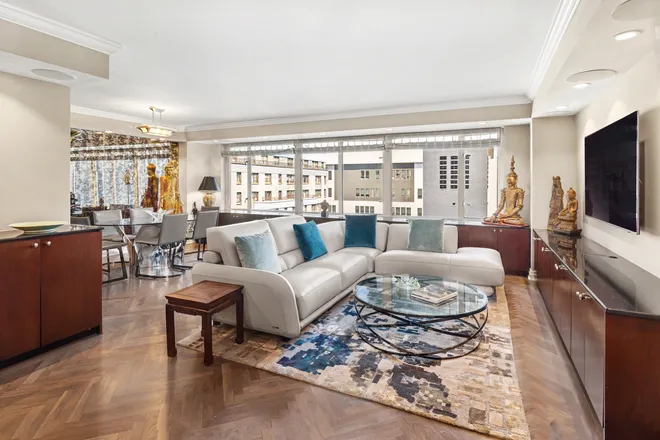
Manhattan, NY · Co-ops
Manhattan, New York Co-ops for Sale
There are currently 2,620 co-ops for sale in Manhattan. 69 new co-op listings have come to market in the past 7 days. 99 co-op listings have had a price reduction in the past week.
Buying a co-op means buying shares in a corporation and a proprietary lease on one apartment, not the apartment itself. That is why they cost less per square foot: $1,229 against $2,047 for condos on Manhattan contracts reported in August 2026. It is also why they are harder to buy. A board can require 20 to 25 percent down and a year or more of post-closing liquidity, can interview you, and can turn you down without giving a reason.
The discount comes with costs of its own. Maintenance runs higher than a condo's common charges because it carries the building's property tax and any underlying mortgage, and many buildings charge a flip tax when you sell. For most buyers it is the sublet policy rather than the price that settles whether a co-op works.
2,620 co-ops for sale in Manhattan, NY · Inventory updated 23 November 2026
Manhattan NY Real Estate market snapshot
- Active listings
- 2,620
Figures reflect active RLS listings at the time this page was built. · Updated 23 November 2026
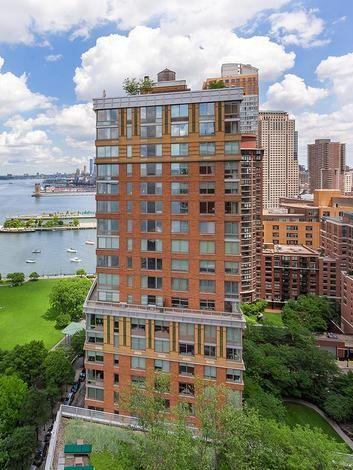
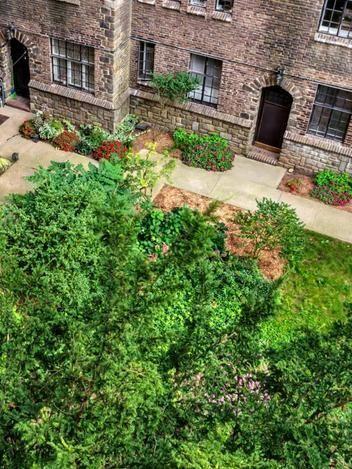
Notable buildings in Manhattan
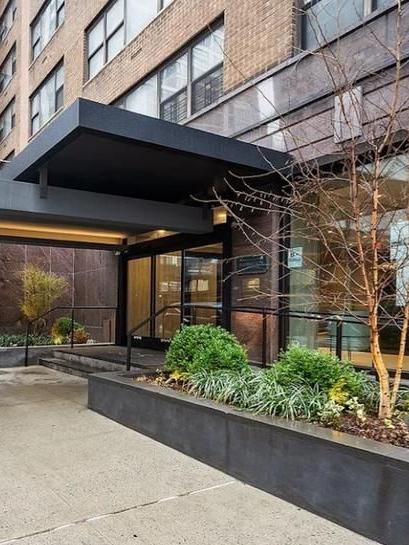
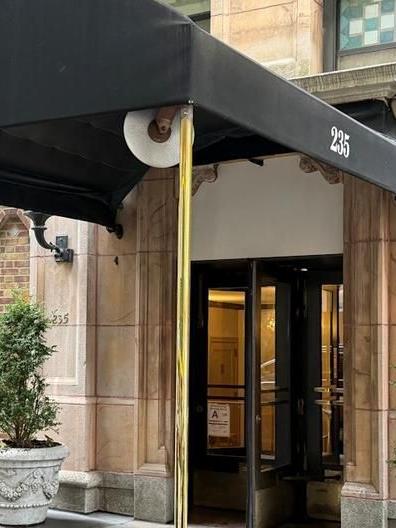

What you are actually buying
Shares, not square feet. A co-op corporation owns the building. You buy a block of shares allocated to one apartment and a proprietary lease that lets you live in it. The share count was set by the original offering plan and is roughly proportional to size and floor, and your monthly maintenance is calculated from that count rather than from the price you paid.
The board decides. Expect a financing cap (most Manhattan buildings allow 75% to 80%, some far less, a few nothing at all), a post-closing liquidity requirement often expressed as one to two years of mortgage and maintenance held in reserve, a debt-to-income ceiling in the region of 25% to 30%, a board package running to a hundred pages with tax returns and reference letters, and an interview. A board may decline without giving a reason. Ask the managing agent for the financing cap and the liquidity requirement before you make an offer: they decide whether a building is possible for you at all.
Maintenance and common charges are not like for like. A co-op's maintenance covers building operations plus the property tax on the whole building plus, in many cases, debt service on an underlying mortgage. A condo's common charges cover operations only, with tax billed separately. A maintenance figure that looks high next to a condo's common charges is often the cheaper monthly once the condo's tax bill is added, and the portion attributable to building tax and mortgage interest is generally deductible to the shareholder.
Flip taxes and sublets. Most Manhattan co-ops charge a flip tax on resale, typically 1% to 3% of the price or a set amount per share, paid into the reserve fund. Most also restrict subletting, commonly two years out of every five, often after a waiting period, sometimes not at all. If the apartment might ever be let, the sublet policy matters more than the price.
Two variants worth recognising on sight. A land-lease co-op does not own the ground beneath the building. The ground rent resets on a schedule and financing tightens as the lease shortens, which is why the price looks low for the address. An HDFC co-op is income-restricted, with a resale price cap and a flip tax that can reach 30%, so it is cheap for reasons written into the by-laws.
The co-op discount widened over the past year
Average price per square foot on Manhattan contracts reported in August, condo against co-op.
Condos asked 45% more per square foot than co-ops in August 2025 and 67% more a year later. Corcoran notes the co-op figure was skewed by two resales above $3,000 per square foot in August 2025 with no equivalent this year, so read one month as a signal rather than a trend.
| Category | August 2025 | August 2026 |
|---|---|---|
| Condo | $1,987 | $2,047 |
| Co-opLatest | $1,366 | $1,229 |
Condo and co-op, side by side
The differences that change what you can do with the apartment, rather than what it looks like.
The co-op discount prices a different asset, not the same one at a lower number. What it reflects is a smaller resale pool, a board that can say no, and rules that decide whether you may let the apartment or hold it through an entity.
Aspect | Condo | Co-op |
|---|---|---|
What you own | Real property, held by deed | Shares in a corporation plus a proprietary lease |
Approval to buy | None. A right of first refusal that is almost never used | Board package and interview; may be declined without a reason |
Financing cap | Set by your lender, commonly up to 90% | Set by the building, commonly 75–80%, sometimes all cash |
The monthly charge covers | Building operations. Property tax billed separately | Operations, the building's property tax and any underlying mortgage |
Subletting | Usually permitted; check the offering plan | Usually restricted, often two years in five |
Fee on resale | None charged by the building | Flip tax in most buildings, commonly 1–3% |
LLC, trust and foreign ownership | Usually permitted | Usually refused |
Average price per sq ft, Aug 2026 | $2,047 | $1,229 |
Non-primary residence surcharge, tax years 2026-27 and 2027-28
New York City's pied-à-terre surcharge took effect on 1 July 2026. For a co-op it is billed to the corporation, which recovers it from the shareholder.
Apartments carry the higher rates because the city assigns them lower values. Class 2 condos and co-ops are still valued by comparison to rental buildings, and the city's guidance is that an apartment it values at $1 million is comparable to a house it values at $5 million. From 1 July 2028 every covered property is valued by comparable sales and one schedule applies.
Property type | DOF market value | Annual surcharge |
|---|---|---|
Condo or co-op unit | $1M to under $3M | 4.00% |
Condo or co-op unit | $3M to under $5M | 5.25% |
Condo or co-op unit | $5M or more | 6.50% |
One- to three-family house | $5M to under $15M | 0.80% |
One- to three-family house | $15M to under $25M | 1.05% |
One- to three-family house | $25M or more | 1.30% |
The surcharge lands on co-ops in an unusual way. Because a co-op is assessed as a single parcel, the charge is billed to the corporation, which then recovers it from the shareholder of the unit that triggered it, so it arrives through the building's books rather than on a tax bill in your name. Most Manhattan boards already restrict pied-à-terre use, so fewer shareholders are affected here than in the condo market. Where a unit is affected, the amount turns on the Department of Finance's value for that unit rather than on what it would sell for. If the apartment is a primary residence, whether yours, an immediate family member's or a tenant's under a genuine year-long lease, the exemption is claimed rather than automatic, and the deadline for 2026 is 6 October 2026.
Common questions about Manhattan co-ops
How much does a co-op cost in Manhattan?
Manhattan co-ops averaged $1,229 per square foot on contracts reported in August 2026, roughly 40% below the $2,047 condos averaged in the same month. The live median asking price for the co-ops on this page sits above the listings.
Why are co-ops cheaper than condos in NYC?
Mainly because you are buying shares rather than real property, so the resale pool is smaller. Boards also restrict subletting, pied-à-terre use and entity ownership, which removes investor and foreign demand, and the stock is older: mostly pre-war, with higher maintenance and fewer amenities.
Why are co-ops hard to sell?
Because the buyer has to clear a board as well as a lender. A board can set a debt-to-income ceiling, require post-closing liquidity, and turn down a fully financed buyer without explanation. Deals fall apart at the board package stage more often than at the mortgage stage.
How much can I finance on a Manhattan co-op?
It depends on the building, not the lender. Most Manhattan co-ops cap financing at 75% to 80% of the price; a meaningful number cap it lower, and some are all-cash. The financing cap and the post-closing liquidity requirement are the two numbers to ask for before you make an offer.
What is a flip tax?
A fee the co-op charges the seller, or occasionally the buyer, on resale. It is usually 1% to 3% of the price, or a per-share amount, or a percentage of the seller's profit, and it goes to the building's reserve fund rather than to the city. It is set by the by-laws, so it varies building by building and should be confirmed in the offering plan.
Does the new pied-à-terre tax apply to co-ops?
Yes. For the 2026-27 and 2027-28 tax years, co-op units the Department of Finance values at $1M or more and that are not a primary residence carry an annual surcharge of 4% to 6.5% of that DOF value. For a co-op the charge is assessed against the corporation, which then recovers it from the shareholder, so it arrives through the building rather than on a personal tax bill. Board sublet rules already made co-ops a poor pied-à-terre, and this is a second reason.
What is a land-lease co-op?
A co-op whose building sits on land the corporation does not own but leases. Prices look low for the location because the ground rent resets, sometimes sharply, and financing gets harder as the lease shortens. Ask for the ground lease expiry and the next reset date before anything else.
More real estate resources for Manhattan, NY
Co-ops for Sale by Manhattan Neighbourhood
Co-ops for Sale in Other Boroughs
Manhattan Co-ops by ZIP Code
- 10022 co-ops for sale
- 10019 co-ops for sale
- 10016 co-ops for sale
- 10011 co-ops for sale
- 10021 co-ops for sale
- 10023 co-ops for sale
Show moreShow less
Manhattan Co-ops by Bedroom Count
Manhattan Co-op Buyer Guides & Tools

Regis Roumila
Licensed Real Estate Broker · NY & NJ
- NY DOS Licence
- 10491211335
- Memberships
- REBNY & NAR Member
- Experience
- Over 25 Years of Local Expertise
Find out what the board requires first
Every eligible purchase earns a Buyer Commission Share: up to 50% of the buyer-side commission actually received on the transaction, credited to you as Savings at Closing. Before that, the financing cap and the liquidity requirement decide whether a building is open to you at all.
2,620 co-ops are for sale in Manhattan today, 69 of them listed in the past week. Send me the ones you are considering and I will get the financing cap, the liquidity requirement and the sublet policy from the managing agent before you spend a weekend on a board package.